Mostbet’s casino Login History and Activity Log for Hungary
October 17, 2026 Uncategorized Comments Off on Mostbet’s casino Login History and Activity Log for Hungary

I have assisted countless users navigate their initial steps into an online casino, and the login and registration process at Mostbet Casino is one I am familiar with inside out. This page is your central hub for everything connected with accessing your account securely, understanding your personal login history, and using the activity log to stay in control. I will walk you through the exact sign-up sequence, the verification documents you need to prepare, the security layers you can enable, and the common obstacles you could run into along the way. My goal is to provide you with a complete, technically precise picture so that you can transition from creating your account to confidently monitoring every access event without any guesswork.
Understanding the Authentication Page and Your First Sign-In
The login page at Mostbet Casino displays a clear interface with clearly labeled fields for my email or username and my password. I always check that the URL in my browser bar starts with the correct official domain and that a legitimate security certificate is shown before I input any credentials. The page features a “Remember me” checkbox that, when selected, stores a continuous session token on my device so that I do not have to re-enter my credentials every time I log in. I use this feature only on private, trusted devices and never on shared or communal computers. Beneath the main login button, I see direct links to the password recovery flow and to customer support, which are useful if I run into any access problems right from the start.
Once I input my credentials and click the login button, the system verifies them against its encrypted database. If the credentials are correct and my account is in good standing, I am sent to the lobby or my personal dashboard within seconds. If I have activated two-factor authentication, an extra verification step emerges before I gain full access. I carefully watch any on-screen messages after login, because the platform sometimes shows important notifications about awaiting verification, bonus eligibility, or recent security events. This instant feedback loop enables me keep aware about the state of my account without having to dig through menus.
Regaining Access: Password Recovery and Account Recovery
Forgetting a password is a common frustration, but the account recovery procedure at Mostbet Casino is designed to regain access swiftly without weakening security. On the login page, I select the “Forgot password?” link and input the email address connected to my account. The system sends a distinct, temporary reset link to that email. I need to click the link and create a new password that fulfills the complexity requirements. If I fail to receive the email, I check my spam folder and make sure that the email address I entered corresponds to the one on file. I also verify that my inbox is not full and that no overzealous email filters are stopping automated messages from the casino’s domain.
In situations where I have lost access to my registered email account or my account has been suspended due to multiple failed login attempts, I contact the customer support team immediately through live chat or email. The support agent will ask a series of security questions to authenticate my identity, which could include details from my last deposit, the registered phone number, or past uploaded files. I prepare this information in advance to accelerate the recovery. Once my identity is validated, the agent can modify my contact email or reactivate the account. I treat any recovery interaction as a prompt to reassess my account’s security settings and update my password if I believe any compromise.
Getting Started: Establishing Your Mostbet Casino Account
The registration form at Mostbet Casino is designed to obtain the essential information mandatory to establish your identity and adhere to international licensing standards. When I initiate the process, I am given a straightforward form that requests my full legal name, date of birth, a valid email address, and a mobile phone number. I must also select my preferred account currency and set up a strong password that meets the platform’s complexity rules. The system immediately checks whether the email or phone number is already connected to an existing account, which stops duplicate registrations and safeguards the integrity of the player database. I always recommend using an email address you check regularly because all critical account notifications, including verification links and security alerts, will be forwarded there.
Account Setup Fields and Information You Must Supply
Each field on the registration form performs a specific compliance and security purpose. The full name I enter must exactly match the name on my government-issued identification document, because any discrepancy will cause delays during the know-your-customer verification stage later. The date of birth is not merely a formality; it is cross-referenced automatically to ensure I meet the minimum legal gambling age, which is strictly enforced. The mobile number I supply becomes a secondary recovery channel and may be used for SMS-based two-factor authentication if I enable that option. I also select my country of residence from a dropdown list, and the platform adjusts the available payment methods and currency options accordingly. I recommend double-checking every detail before submitting, as correcting core identity fields after registration usually requires a manual support intervention and additional document uploads.
Email Confirmation and First-Time Login
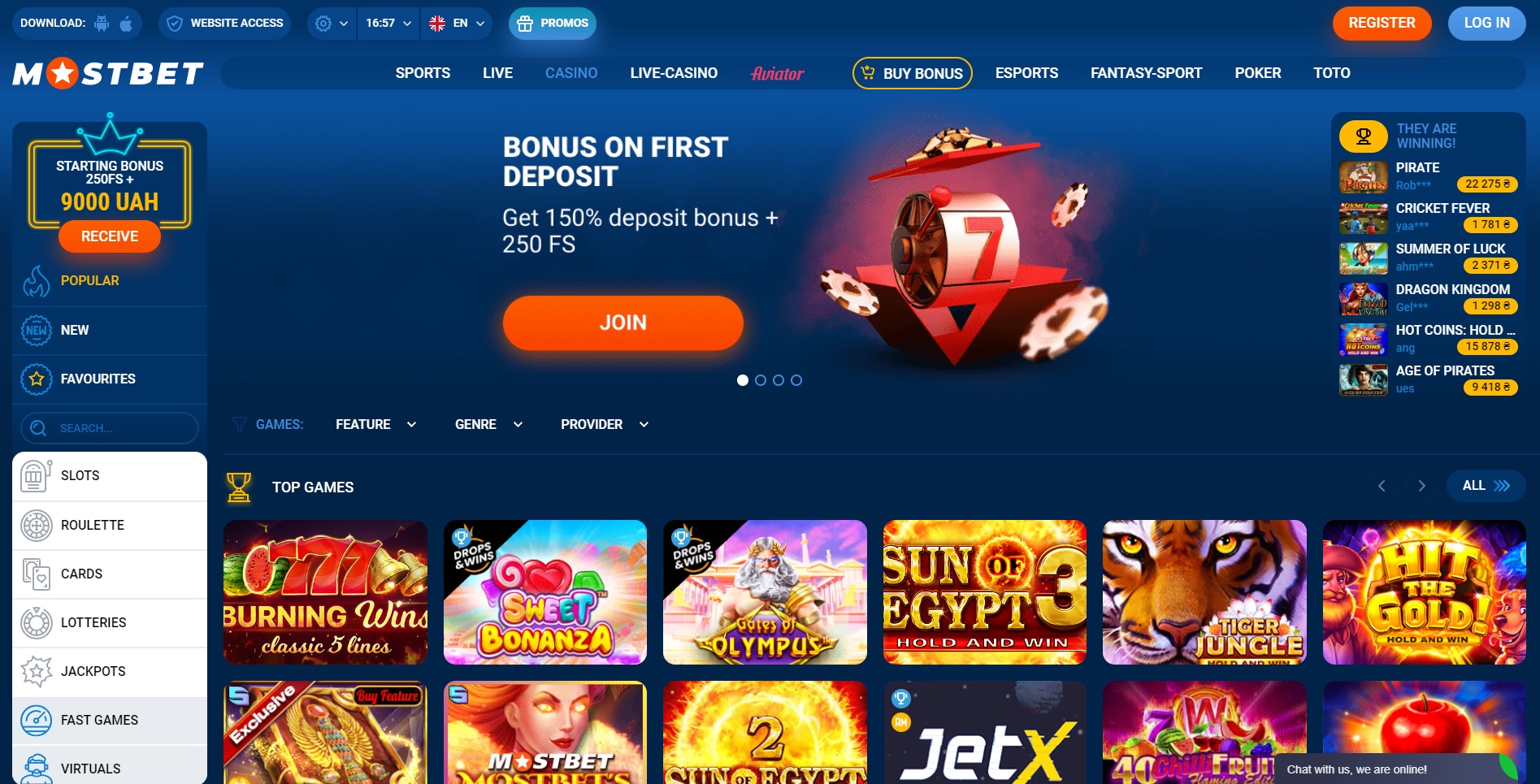
Immediately after I submit the registration form, Mostbet Casino delivers a time-limited confirmation link to the email address I provided. I need to click this link within the expiration window, usually a few hours, to confirm that I own the email account and to enable my player profile. If the email fails to arrive, I examine my spam or promotions folder and ensure that I have not by mistake mistyped the address. Once confirmed, I can go ahead to my first login using the email and password combination I set. During this initial session, the platform often prompts me to fill out a brief profile questionnaire or to set up additional security preferences. I consider this first login as the moment to check all account settings and to activate any available protective features before I deposit funds or begin playing.
Verification Process: The KYC Process and Required Documents
Account verification is a required procedure that establishes my identity, age, and home address before I can cash out any winnings. This KYC process is mandated by the licensing jurisdiction and is a typical practice across all trustworthy online casinos. I initiate verification by going to the verification center within my account and uploading clear, legible copies of the required documents. The review team normally processes submissions within 24 to 72 hours, though peak periods may lengthen this slightly. I always organize my documents in advance to avoid delays when I am ready to make my first withdrawal, because the verification must be fully confirmed before any payout is disbursed.
Identity Document Requirements
The primary document I need is a state-issued photo ID. This can be a passport, a national identity card, or a driver’s license that includes my picture, full name, date of birth, and an expiry date. I make sure that all four corners of the document are displayed in the scan or photo, and that no information is obscured by glare or shadows. The file must be in a accepted format such as JPEG or PDF and must not exceed the size limit shown on the upload page. If my ID is double-sided, I upload both sides. The system automatically identifies expired documents, so I check the validity date before submitting. Once the identity document is approved, my name and date of birth are locked on the account to match the verified record.
Proof of Address and Additional Checks
To confirm my residential address, I upload a current utility bill, bank statement, or official government correspondence that clearly shows my full name and physical address. The document must be dated within the last three months, and digital statements are allowed as long as they display the issuing institution’s logo and my details. I refrain from using mobile phone bills or envelopes, as these are often rejected. In some cases, the compliance team may request a verification of my payment method. For example, if I use a credit or debit card, I may need to upload a photo of the physical card with the middle eight digits obscured, leaving only the first six and last four visible, along with my name. I react to such requests promptly to keep the verification process progressing.
Checking Your Sign-in Record and Event History
The access record and action log is a thorough record of every login attempt and significant account action connected to my profile. I check this log directly from the safety or account preferences area of my control panel. Each entry contains a time stamp, the IP address from which the session originated, the device type and browser fingerprint, and the status of the attempt. I employ this log as a individual audit trail to spot any unknown activity. ez a forrás If I ever notice a login from a location or device I do not know, I can instantly reset my password, examine my current sessions, and reach support. This proactive monitoring is one of the most powerful habits I can develop to protect my funds and private information.
How to Access Your Login History
I check the login history by opening the account menu, selecting the security tab, and going to the section labeled “Login History” or “Recent Activity.” The interface displays a chronological list of entries, with the most recent events at the top. I can often refine the view by date range or by event type, which helps me zero in on a specific period if I am examining a concern. The log is read-only, meaning I cannot delete or modify any entry, which preserves its integrity as a security record. I make it a habit to review this log at least once a week, especially after going abroad or using a new device, because early identification of suspicious access is critical to stopping account takeover.
Reading the Activity Log Entries
Each row in the activity log gives me a snapshot of a single event. A successful login entry shows the precise time, the IP address, and a rough geographic location derived from that IP. I also see a label indicating the device and browser, such as “Chrome on Windows” or “Safari on iPhone.” If I recognize all these details, I can be assured that the access was legitimate. Failed login attempts are also recorded, showing the reason for failure, such as an incorrect password or an expired 2FA code. A sudden spike in failed attempts from unfamiliar IPs is a red flag that I should look into immediately. The log may also include events like password changes, email updates, and 2FA modifications, giving me a complete timeline of security-sensitive actions.
Understanding IP Address and Location Data
The IP address recorded in my login history is the specific number assigned to my internet connection at the time of access mostbetkaszino.org. The platform maps this IP to an rough city and country, which I can compare against my actual location. I understand that mobile connections and some internet service providers may send traffic through different regions, so a nearby city or a regional hub is not automatically a sign of intrusion. However, a login from a different continent or a country I have never visited is a clear sign that my credentials may have been compromised. I also note that using a VPN will change my apparent IP address, so I maintain a mental note of when I connect through a VPN to avoid misinterpreting my own activity log entries.
Securing Your Account with Two-Factor Authentication
Two-factor authentication, or 2FA, adds a vital second layer of security beyond my password. Even if someone gets my login credentials, they are unable to access my account without the distinct, time-limited code created by my authentication method. I highly recommend enabling 2FA the minute my account is active, because it greatly reduces the risk of unauthorized access. Mostbet Casino is compatible with authenticator apps like Google Authenticator or Authy, which produce codes offline and are not susceptible to SIM-swapping attacks. The setup process requires only a couple of minutes and entails scanning a QR code with my chosen app. Once linked, every login attempt from an unfamiliar device or browser will demand the current six-digit code from my app.
Enabling Two-Factor Authentication
I turn on 2FA from the security settings section of my account dashboard. The system displays a unique QR code and a manual setup key that I can input into my authenticator app if scanning is not possible. After I scan the code, the app commences generating a new code every thirty seconds. To complete the activation, I must enter the current code into the verification field on the Mostbet Casino page. This confirms that the app is correctly synchronized with the platform’s time server. I also obtain a set of one-time backup codes during this step, which I keep in a secure offline location. These backup codes enable me to log in if I misplace access to my authenticator device, making them an crucial part of my recovery plan.
Handling Backup Codes and Recovery Options
Backup codes are single-use strings that bypass the 2FA requirement in emergency situations. I treat them with the same caution as my password, storing them in a password manager or a printed document kept in a safe place. If I ever employ a backup code, the system right away marks it as consumed and I can generate a fresh set from my security settings. I also make sure that my recovery email and phone number are current, because these serve as alternative channels for identity verification if I need to disable 2FA through customer support. I never disclose my backup codes with anyone, and I avoid taking screenshots that could be synced to cloud services without encryption.
Resolving Common Login and Access Issues
Even with careful planning, I occasionally face obstacles when trying to log in. The most frequent problem is a simple password mismatch caused by caps lock being enabled or an outdated saved password in my browser. I always type my password manually at least once to rule out auto-fill errors. If the login page simply reloads without an error message, I clear my browser cache and cookies, because corrupted session data can disrupt the authentication flow. I also try accessing the site from an incognito window or a different browser to identify the problem. These basic steps resolve the vast majority of login difficulties without any need for support intervention.
Another common situation is being blocked by a geo-restriction or a firewall, particularly if I am traveling or using a corporate network. Mostbet Casino operates under a license that restricts access from certain jurisdictions, and the platform uses IP-based geolocation to implement these rules. If I am in a permitted country but still cannot connect, I disable any VPN or proxy service I may be running and try again. I also check that my internet service provider is not routing my traffic through a blacklisted region. If the problem persists, I contact the network administrator or switch to a mobile data connection to check whether the issue is network-specific.
When my account becomes temporarily locked after several failed login attempts, I wait for the automatic cooldown period to expire before trying again. This lockout is a security measure designed to thwart brute-force attacks, and it usually lasts between fifteen and thirty minutes. During this time, I use the password reset function to set a new, strong password so that I am ready to log in as soon as the lockout lifts. If I am locked out due to a suspected security breach, I contact support immediately and request a full account freeze while the situation is investigated. I never ignore repeated lockouts, because they can be an early warning that someone is attempting to guess my credentials.


